Coffee Cup Line Art SVG
First Impressions: Clean, Calm, and Quietly Confident
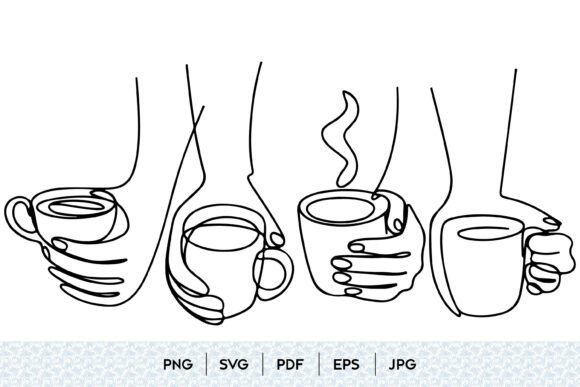
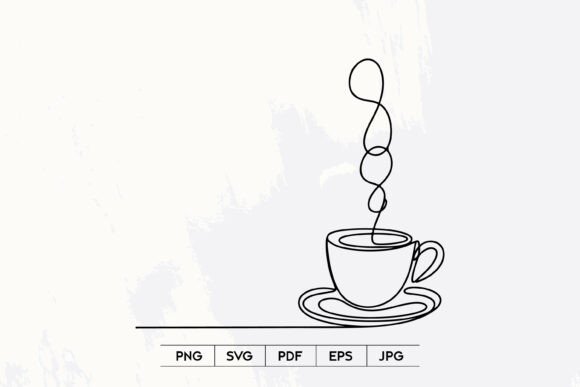
When I opened the Coffee Cup Line Art SVG for the first time, I didn’t see “just another coffee graphic.” I saw a quiet rhythm—smooth, unbroken curves tracing the silhouette of a classic mug, handle included, with subtle taper at the rim and gentle base weight. No steam, no beans, no text. Just presence. It’s minimalist without feeling sterile; continuous-line without being fussy. That kind of restraint is rare—and valuable—especially in embroidery, where every curve translates into stitch path, tension, and visual breathing room.
A Real Project Test: Embroidering a Linen Kitchen Towel
Last week, I used Coffee Cup Line Art SVG to embroider a set of linen tea towels for a local boutique’s spring launch. We chose a medium-weight natural linen—textured but stable—and ran the design in a 3.5" hoop using a single-color running stitch (no fill, no satin). The result? Crisp, confident, and instantly legible—even from across the room. Customers kept picking up the towels, turning them over, tracing the line with their fingers. That tactile response matters. It told me this isn’t just a decorative element—it’s an invitation to pause, to connect. That’s the quiet strength of well-considered line art in embroidery: it doesn’t shout, but it holds attention.
Where It Shines (and Where It Asks for Care)
Coffee Cup Line Art SVG works beautifully on structured, low-stretch fabrics: canvas tote bags, cotton sweatshirts, denim aprons, and woven pillow covers. Its clean outline makes it ideal for small-batch embroidered patches—especially when paired with a simple border or monogram. On baby onesies or nursery pillows, it reads as warm and gentle, never cutesy or cluttered.
But here’s what I watch closely:
- Small hoop sizes: The cup’s proportions hold up well down to ~2.2", but below that, the handle detail starts to compress. Always test before committing to a tiny cap or wristband.
- Textured or loosely woven fabrics: Linen and burlap are fine—but only with proper cutaway stabilizer underneath. Without it, the line wobbles slightly on the surface grain.
- Dark or heavy fabrics: Since this is line art—not a bold silhouette—the thread color must contrast strongly. A charcoal gray thread on navy fabric won’t read. Stick with white, cream, or high-contrast pastels.
- Curved surfaces: Caps and curved mugs (yes, some shops embroider on ceramic-coated fabric mugs!) need careful hooping. The continuous line flows best when the fabric stays taut and flat under the needle.
What It Adds to Your Finished Product
This isn’t background filler. Coffee Cup Line Art SVG elevates perceived value—not through complexity, but through intentionality. When stitched cleanly on a hand-dyed tote or a custom sweatshirt, it signals care. Customers notice that. They associate it with brands that understand simplicity as sophistication—not laziness.
For Etsy sellers and small shop owners, that matters deeply. A minimalist coffee cup says “thoughtful gift,” not “generic café promo.” It fits seamlessly into wedding brunch bundles, teacher appreciation kits, or barista-themed baby showers—without needing rebranding or explanation. And because it’s scalable and format-flexible (.SVG, .EPS, .PDF, .PNG, .JPG), it adapts to both physical embroidery and digital mockups for listings—keeping your product photography consistent and professional.
Design Notes Every Embroidery Professional Should Run Through
Before stitching—or listing Coffee Cup Line Art SVG in your shop—here’s my checklist:
- Test on scrap fabric first—same weight, same weave, same stabilizer you’ll use for the real piece.
- Review stitch density: This is line art, so density should stay light. If your machine adds unnecessary underlay or extra passes, dial it back. Over-stitching blurs the elegance.
- Confirm hoop size compatibility: Know your smallest reliable hoop—and whether this design scales cleanly within it.
- Inspect corners and curves: Zoom in on the handle join and rim taper. Are they smooth in your embroidery software? Jagged vector points become skipped stitches.
- Try black-and-white mockups: Does it pop on light and dark backgrounds alike? If not, adjust thread choice—not the design.
- Use appropriate stabilizer: Tear-away for stable cottons, cutaway for knits or linens, and lightweight fusible for delicate items like baby caps.
- Verify licensing: The listing says it includes multiple formats—but does it permit commercial use for finished embroidered goods? For resale as a digital embroidery file? Check before you scale.
Why This Belongs in Your Design Assets—Not Just Your Cart
Coffee Cup Line Art SVG isn’t a trend-chaser. It’s a quietly versatile illustration—part of the Illustrations category, yes, but built for action in the Graphics world of real making. It bridges digital and physical effortlessly: one file becomes a patch, a heat-transfer, a screen print, a laser-cut stencil, or a single-color embroidery run. That flexibility saves time, reduces inventory friction, and strengthens brand cohesion across product lines.
For craft business owners, it’s low-risk experimentation. Try it on a batch of organic-cotton tea towels, then reuse the same vector for a printable gift tag or Instagram story highlight icon. For apparel decorators, it’s a fast-turnaround add-on to custom orders—no digitizing needed if you’re working with a trusted digitizer who respects clean vectors.
And for makers who sell handmade products? It reminds us that sometimes the most memorable designs say the most by saying less. A single, confident line—stitched with care—can turn a kitchen towel into a keepsake, a tote bag into a conversation starter, and a baby bib into a tiny heirloom.