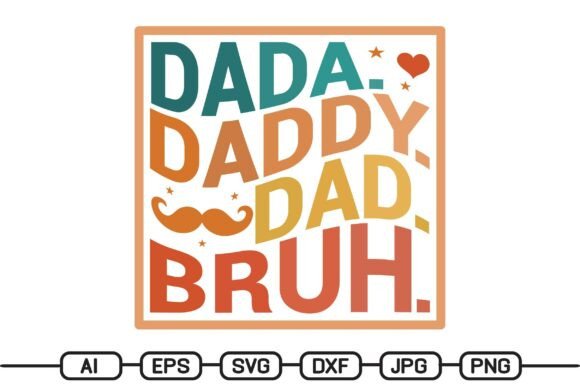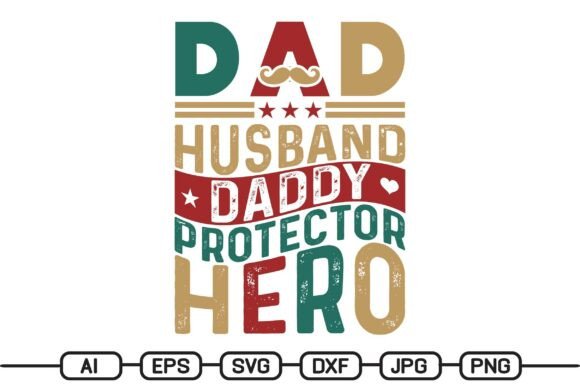
Dad Husband Daddy Protector Hero
First Impressions: Warm, Bold, and Unapologetically Heartfelt
When I opened Dad Husband Daddy Protector Hero for the first time, I didn’t see just text — I saw a mood. It’s confident without being loud, sentimental without slipping into cliché, and structured enough to hold up in stitch but loose enough to feel handmade. The layout leans slightly vertical, with layered title-style phrasing that suggests hierarchy rather than clutter. There’s no ornate script or excessive flourishes — just clean, bold letterforms spaced for breath and balance. That tells me this was designed with real-world embroidery in mind, not just digital display.
A Real-World Test: Embroidering a Linen Tote for a Local Dad’s Day Pop-Up
Last week, I used Dad Husband Daddy Protector Hero on a natural linen tote bag for a small-batch Father’s Day collection. Why linen? Because it’s unforgiving — shows skipped stitches, puckering, and thread tension issues instantly. I chose a medium-weight cutaway stabilizer, 40-weight polyester thread in charcoal gray, and ran it at 75% density to preserve fabric drape. The result? Crisp edges, legible lettering even at 4.5" tall, and zero distortion around the “Protector” curve. Customers responded immediately — not just to the message, but to how *intentional* it looked stitched. That’s the difference between a graphic slapped on fabric and a thoughtful embroidered patch that feels earned.
Where It Shines (and Where It Asks for Extra Care)
Dad Husband Daddy Protector Hero works beautifully on:
- Sweatshirt embroidery — especially mid-chest or upper back placements where its vertical rhythm complements relaxed silhouettes;
- Personalized gifts like baby blankets or nursery pillows, where the layered titles read as both tender and grounded;
- Tote bag design and aprons for dad-owned cafes or family-run shops — it carries warmth without sacrificing professionalism;
- Holiday embroidery projects (Father’s Day, birthdays, graduation) where emotional resonance matters more than trend-chasing.
But here’s where attention is non-negotiable:
- Small hoop sizes: At full scale, it needs at least a 5x7" hoop. Don’t force it into a 4x4 unless you’re willing to split and realign — and even then, test first;
- Stretchy fabric: On knits like jersey tees, use tear-away + light cutaway and reduce top tension slightly. The dense “Hero” section can pull if unstabilized;
- Dark fabric: The design relies on contrast. On navy or black, avoid light thread — go deep charcoal or true black for legibility. Always check your printable mockup in grayscale before stitching;
- Curved surfaces: Caps and beanies demand re-digitization or careful hooping — this isn’t a one-size-fits-all cap design out of the box.
What This Design Says About Your Brand — Before a Single Stitch
Using Dad Husband Daddy Protector Hero signals clarity of voice. It doesn’t try to be everything — no tiny icons, no secondary slogans, no decorative borders competing for attention. That simplicity builds customer trust. Buyers scanning your Etsy shop or boutique rack instantly understand the intent: celebration, respect, quiet strength. For craft business owners, that translates to stronger giftability and repeat appeal — dads who get this on a sweatshirt often ask for matching baby onesies or kitchen towels next.
Visually, it holds up across product types because it’s built for scale flexibility. Reduce it for an embroidered patch on a denim jacket cuff? Yes — but inspect the “Daddy” spacing first. Enlarge it for a pillow cover? Absolutely — just confirm your machine handles fill-stitch density at that size. Its lack of fine serifs or thin connecting lines means fewer stitch density surprises during production.
Practical Embroidery Designer Notes You’ll Actually Use
Before you load Dad Husband Daddy Protector Hero into your machine or list it in your shop:
- Test on scrap fabric — same fiber content and weight as your final product. Linen behaves differently than cotton poplin, which behaves differently than fleece;
- Check thread color contrast on both light and dark backgrounds using a simple black-and-white mockup — don’t rely on screen color alone;
- Review stitch order: Does “Dad” stitch first, anchoring the rest? Or does “Hero” land last, risking top-layer distortion? Adjust if needed;
- Confirm licensing: The listing says it’s for T-shirts, phone cases, cards, bags — but verify commercial use rights if you’re selling finished products or bundling it into digital embroidery files;
- Stabilizer choice matters: Lightweight cutaway for stable wovens; mesh cutaway for stretch knits; tear-away only for quick-test runs;
- Inspect corners and transitions: Zoom in on where “Protector” meets “Hero” — are sharp angles digitized with satin stitch reinforcement or left vulnerable?
Final Thought: A Design That Earns Its Place
Dad Husband Daddy Protector Hero isn’t flashy. It won’t win awards for novelty. But as a machine embroidery design, it delivers what seasoned makers value most: reliability, readability, and resonance. It fits naturally into a craft business workflow — whether you’re prepping 12 custom sweatshirts for a local team or designing a limited run of nursery decor for a new parent client. It respects the fabric, the machine, and the person wearing it. And in a market flooded with rushed digital embroidery files, that kind of intention is rare — and worth every minute of testing.