Elegant Loved and Blessed Calligraphy
A Designer’s First Glance: Grace, Warmth, and Quiet Confidence
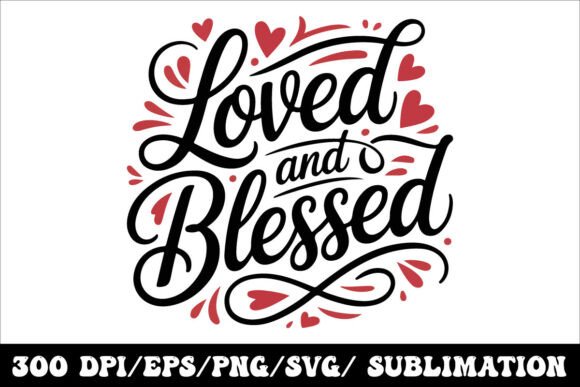
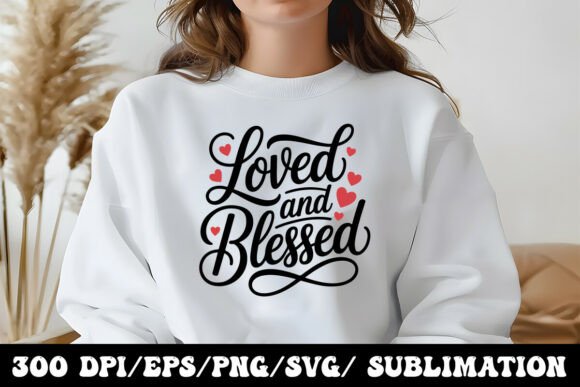
When Elegant Loved and Blessed Calligraphy appears on screen, it doesn’t shout — it leans in. The script flows with gentle rhythm, not fussy flourishes but intentional pauses between letters, soft curves that suggest handwritten sincerity rather than digital perfection. Those subtle heart accents aren’t oversized or cartoonish; they nestle like quiet punctuation — one cradling the “L” in *Loved*, another resting beneath *Blessed*. It feels personal without being private, spiritual without being prescriptive. This isn’t a design for loud slogans or trend-chasing tees. It’s made for moments: a new mom’s nursery pillow, a grandmother’s embroidered kitchen towel, a boutique’s limited-run sweatshirt line centered on mindful living.
How It Lives in Real Embroidery Projects
I recently tested Elegant Loved and Blessed Calligraphy as the centerpiece for a custom organic cotton tote bag — the kind sold at local craft fairs and gifted at baby showers. On the finished piece, the script held its shape beautifully across the slightly textured fabric. The satin stitch lines remained smooth, the hearts legible even at 3.5 inches wide. Customers paused longer than usual. One said, “It doesn’t feel mass-produced — it feels chosen.” That’s the quiet power of this design: it elevates a simple item into a personalized gift without needing embellishment.
For sweatshirt embroidery, it works best on mid-to-heavyweight fleece or French terry — the weight supports the graceful curves without distortion. On lightweight jersey or stretchy knits? Proceed with caution. The fine strokes in the lowercase “e” and “d” can blur under tension unless stabilized well. I’d recommend pairing it with a medium-cutaway stabilizer and reducing stitch density slightly if your machine allows — especially for custom apparel meant for daily wear.
As a tote bag design, it shines when placed just below the top seam — balanced, unhurried, easy to read at arm’s length. On baby onesies or burp cloths? Scale down carefully. Below 2.75 inches, the delicate spacing between “Loved” and “Blessed” starts to collapse visually. And while it reads cleanly on light fabrics, test contrast rigorously on dark backgrounds — some thread brands mute the subtlety of the script’s thin upstrokes.
Where Caution Meets Craftsmanship
This isn’t a one-size-fits-all machine embroidery design. Its elegance comes with nuance:
- Curved surfaces (like caps or curved apron pockets) demand repositioning — the bottom curve of “Blessed” can warp if hooped too tightly.
- Textured fabrics (linen tea towels, burlap patches) may soften the fine line work. Consider simplifying the heart accents manually or using a running stitch outline for clarity.
- Dense stitch areas — especially where the script overlaps itself in tight loops — benefit from a slight pause between color changes to avoid thread buildup.
- Commercial embroidery for resale? Confirm licensing terms before listing as a ready-to-embroider digital embroidery file or bundling into a craft business kit.
What It Adds — and What It Asks Of You
Elegant Loved and Blessed Calligraphy quietly lifts perceived value. A plain cotton pillow cover becomes a meaningful keepsake. A basic black sweatshirt gains warmth and intention. That matters — especially for Etsy sellers and small shop products competing on authenticity, not just price. But it also asks for thoughtful execution. It won’t hide poor stabilizing, weak thread contrast, or rushed hooping. When stitched well, it builds customer trust: buyers recognize care in the details — the even satin stitch, the clean heart outlines, the breathing room around each word.
For holiday embroidery or wedding gifts, it avoids cliché by leaning into quiet gratitude instead of overt celebration. Pair it with neutral thread palettes — oatmeal, charcoal, deep rust — and it reads timeless, not seasonal. That longevity makes it strong design assets for any craft business building a cohesive brand voice.
Practical Notes Every Embroiderer Should Run Through
- Test first — always stitch Elegant Loved and Blessed Calligraphy on scrap fabric matching your final project’s weight and texture.
- Check thread colors — soft creams or heathers often enhance the calligraphy better than stark white on light fabric.
- Review stitch density — high density looks rich on stable fabrics but risks puckering on knits.
- Confirm hoop size — the natural width suggests a 4x4 or larger hoop for optimal spacing. Don’t force it into a tiny 3x3 without adjusting letter spacing manually.
- Inspect small details — zoom in on the heart accents and terminal strokes in your embroidery software before sending to the machine.
- Mock it up — generate both light and dark fabric previews. Does the script retain its personality on navy? Does it disappear on heather grey?
- Stabilizer choice matters — use cutaway for stretchy items, tear-away for stable wovens like quilting cotton or canvas.
- Licensing check — verify whether your use case (e.g., selling finished embroidered totes or offering the file as a digital product) is covered.
Final Thought: Not Just a Design — a Quiet Invitation
Elegant Loved and Blessed Calligraphy doesn’t try to be everything. It’s not bold enough for streetwear, not ornate enough for formal monograms, not minimal enough for modernist branding. But within its lane — heartfelt, handmade, gently reverent — it’s remarkably effective. It reminds us that sometimes the most resonant embroidery project isn’t about complexity, but clarity of feeling. If your next personalized gift, small shop product, or custom apparel needs that kind of grounded warmth, this design earns its place — thoughtfully stitched, intentionally shared, quietly unforgettable.