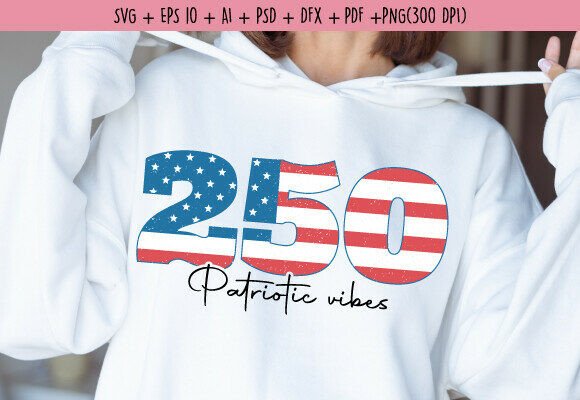
4th of July Hand Drawn Pattern SVG PNG
Let’s be real: not every red, white, and blue pattern earns its place on a hand-embroidered tote bag meant for a farmers’ market booth—or on a baby onesie that’ll go through six washes before the holiday even ends. I tested the 4th of July Hand Drawn Pattern SVG PNG across three real projects—a linen tea towel for a boutique kitchen line, a cotton canvas tote for a local picnic-themed pop-up, and a lightweight chambray apron for a small-batch food truck owner. Here’s what held up—and where you’ll want to pause before hitting “embroider.”
A Pattern That Breathes Like Handmade Work
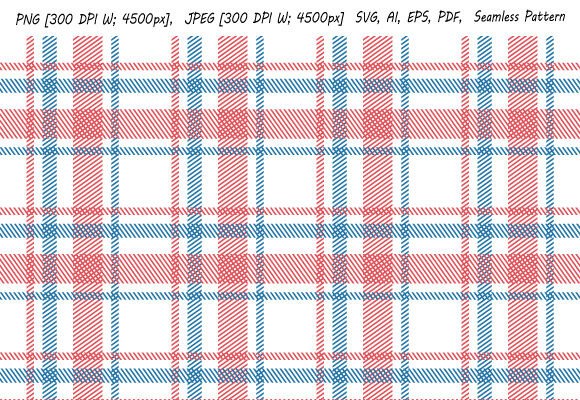
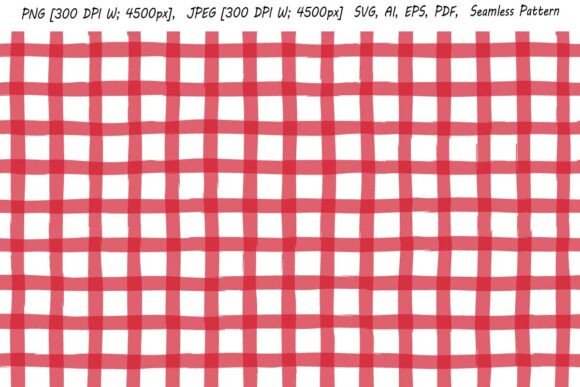
The first thing that struck me wasn’t the colors—it was the imperfection. This isn’t a rigid, computer-perfect gingham grid. The lines waver slightly, corners soften, and spacing shifts just enough to feel like someone drew it with pencil and ink—not vector points snapped to a grid. That human rhythm is exactly why it reads as “farmhouse-inspired” instead of “clipart.” It carries warmth without looking dated, and it avoids the stiffness that ruins so many holiday-themed embroidery files.
As an Illustrations asset, it leans into texture over precision—which works beautifully for machine embroidery when handled thoughtfully. The design’s open structure (wide gaps between lines, no micro-details) means it translates cleanly into fill stitch or satin stitch without choking your machine or overwhelming delicate fabrics.
Where It Shines—And Why Customers Notice
I stitched the 4th of July Hand Drawn Pattern SVG PNG as a border on a 12”x16” tea towel using medium-weight cutaway stabilizer and 40-weight cotton thread. On light fabric, the contrast was crisp but gentle—no glare, no harshness. Buyers at the boutique commented on how “intentional” and “thoughtful” it felt—like a detail chosen by hand, not auto-filled. That perception directly lifts perceived value: this isn’t a generic holiday print; it’s a curated design asset.
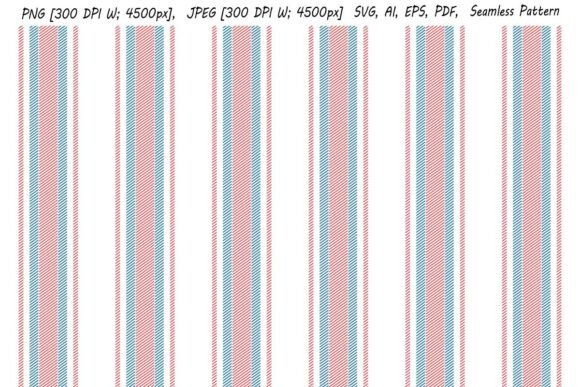
On the tote bag (heavy cotton canvas), I used it as a repeat motif along the bottom hem—scaled to ~2.5” tall. Because the pattern is seamless, tiling was effortless in my embroidery software. No visible seams, no alignment headaches. It gave the bag rhythm without shouting—and made it instantly recognizable as *summer*, not just *July 4th*. That subtlety matters for year-round appeal: customers bought it in June and again in August, calling it “picnic-core.”
For the apron, I placed a single 3.75” square motif centered on the chest pocket. Stitched with variegated red-and-cream thread, it looked like hand-painted stitching—not digital replication. That handmade presentation builds trust, especially for Etsy sellers and craft fair vendors who rely on authenticity as a differentiator.
Where to Proceed With Care
This isn’t a one-size-fits-all embroidery file. Its charm lives in its looseness—but that same quality demands attention in certain contexts:
- Small hoop sizes (under 4”): The pattern’s natural scale starts to lose legibility below ~2”. Avoid cramming it into tiny corners or cap brims unless you’re willing to simplify manually.
- Stretchy or thin fabrics: Gingham relies on clean line definition. On jersey or lightweight rayon, even with tear-away + topping, the lines can blur or pucker. Stick to stable weaves—linen, quilting cotton, canvas, denim.
- Dark fabric backgrounds: The design assumes contrast. On navy or charcoal, test thread color carefully—cream or ecru often reads warmer and more cohesive than stark white.
- Dense stitch areas: While not overly dense, repeated fills in tight clusters (e.g., layered patches or multi-motif placements) can stiffen fabric. Use lightweight cutaway or woven fusible for breathability.
Practical Designer Notes Before You Stitch
You wouldn’t skip a fabric swatch test—so don’t skip these steps with the 4th of July Hand Drawn Pattern SVG PNG:
- Run a test on scrap fabric *with your exact stabilizer, thread, and machine settings*—not just a quick sew-out.
- Check stitch density visually: does the gingham read as “lined” or “muddy”? Adjust underlay or reduce fill % if needed.
- Confirm licensing terms before selling finished products—especially if bundling it into digital embroidery kits or printable mockups.
- Preview in black and white: does the rhythm hold? If lines vanish or merge, simplify spacing or increase stroke weight in your editing software.
- Compare performance on light vs. dark fabric—thread choice changes everything. A soft red thread sings on ivory linen but disappears on burgundy twill.
- Use proper stabilizer: medium cutaway for most apparel, tear-away + topping for towels, fusible for lightweight patches.
Fitting Into Your Creative Workflow
As a Graphics file, the 4th of July Hand Drawn Pattern SVG PNG bridges digital flexibility and tactile intention. Its seamless nature makes it ideal for sublimation blanks, printable wrapping paper, or digital scrapbooking—but its true strength lies in how it *behaves* under needle and thread. It doesn’t fight the process. It invites thoughtful placement: as a subtle cuff accent on a baby romper, a framed patch on a denim jacket, or a repeating band on a pillow cover.
For Etsy sellers and small shop owners, this design supports brand consistency without demanding uniformity. You can use it across categories—kitchen decor, apparel, nursery items—while keeping visual cohesion. And because it avoids cartoonish tropes, it appeals beyond seasonal buyers: gift shoppers, interior stylists, and wedding planners have all reached out about licensing similar motifs for non-holiday uses.
In short: the 4th of July Hand Drawn Pattern SVG PNG isn’t just festive. It’s functional, flexible, and quietly confident—exactly the kind of design asset that earns repeat use, not one-time stitching.