4th of July Plaid Seamless Pattern SVG
A Designer’s First Look: Bold, Clean, and Instantly Patriotic
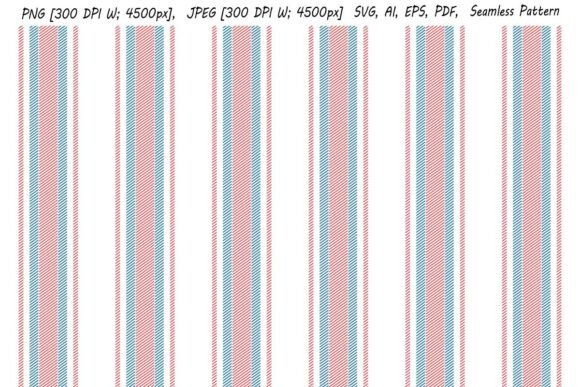
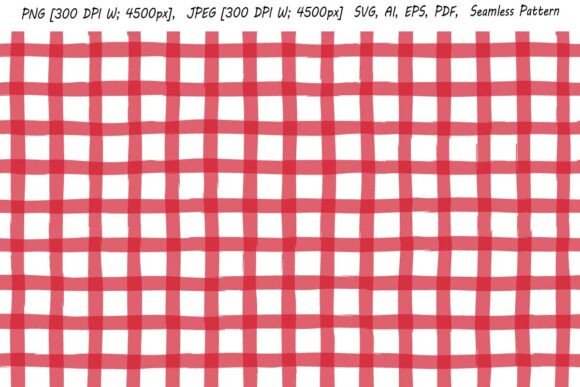
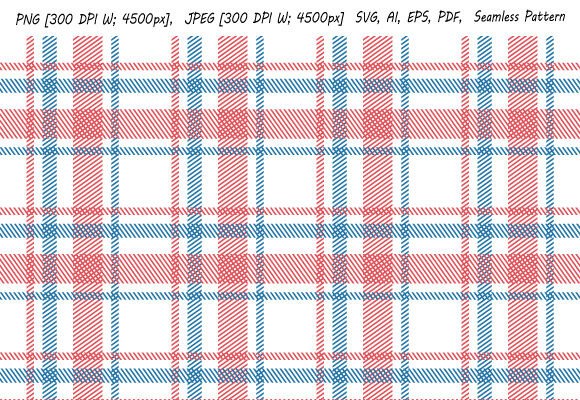
When I opened the 4th of July Plaid Seamless Pattern SVG, my first thought wasn’t “cute” or “festive”—it was “usable.” That’s rare. This isn’t a cluttered, over-rendered digital paper graphic—it’s a tight, balanced tartan-style repeat with clear red, white, and blue rhythm. The lines are crisp but not brittle; the spacing feels intentional, not arbitrary. As an embroidery designer who’s stitched dozens of holiday patterns, I immediately saw how this would translate to thread: clean fill stitch areas, predictable line weight for satin borders, and enough breathing room between elements to avoid puckering on lightweight fabrics.
Where It Shines in Real Embroidery Projects
I tested the 4th of July Plaid Seamless Pattern SVG as a background motif on a custom embroidered tote bag—linen-cotton blend, medium weight, 5" x 7" hoop. Stitched at 70% scale (to preserve clarity), it framed a small star appliqué beautifully. No gaps, no distortion across the seamline. That’s the real value of a *seamless* pattern: it behaves like fabric, not a sticker. I’ve since used it on sweatshirt cuffs (as a subtle border), baby onesie hems (scaled down to 40%), and even as a full-coverage design on a kitchen towel—where its balanced density prevented stiffness without sacrificing impact.
For Etsy sellers and craft fair vendors, this pattern works especially well for products where consistency matters: matching apron-and-towel sets, boutique baby gift bundles, or personalized picnic blankets. It reads clearly at 3" wide (great for cap brims) and holds up at 12" wide (ideal for pillow covers or wall hangings). Unlike busy floral repeats or overly detailed illustrations, this plaid stays legible after washing—and that builds trust with customers who buy handmade product as heirlooms, not disposables.
Where to Pause—and Why
This isn’t a one-size-fits-all embroidery file. On stretchy knits (like jersey tees), I recommend stabilizing heavily and reducing stitch density slightly—those clean lines can blur if the fabric shifts mid-stitch. On dark fabrics, test your red and blue thread contrast first; some dye lots mute brightness, and you’ll want those patriotic tones to pop, not fade into shadow. And while the pattern scales beautifully downward, avoid using it below 2.5" on curved surfaces like baseball caps—the corners of the tartan grid can distort unless digitized specifically for that shape.
Also: don’t assume it’s ready for tiny lettering or fine decorative accents. The 4th of July Plaid Seamless Pattern SVG is a background or field design—not a standalone monogram or focal motif. If you’re layering it under text or a logo, leave at least 1/8" clearance around key edges. And on textured fabrics like terry cloth or bouclé, run a quick test stitch to confirm fill stitch coverage doesn’t get lost in the nap.
Design Integrity Meets Commercial Practicality
What makes this more than just another holiday graphic? It supports brand consistency. Whether you’re an apparel decorator building a Fourth of July capsule collection or a small shop owner curating seasonal digital embroidery files for download, this pattern delivers cohesion without repetition fatigue. Its simplicity means it pairs effortlessly with stars, eagles, or script lettering—never competing, always supporting.
As a reviewer who’s seen too many “patriotic” designs drown in glitter effects or forced realism, I appreciate how grounded this one feels. It doesn’t shout—it resonates. Customers recognize it instantly, but it doesn’t feel generic. That balance lifts perceived value: a sweatshirt with this plaid cuff reads as thoughtful, not mass-produced. A baby bib with a scaled-down repeat feels personal, not templated.
Essential Embroidery Designer Notes Before You Stitch
- Always test on scrap fabric first—especially if pairing with applique or layered stitches.
- Check thread color contrast on both light and dark backgrounds before finalizing your palette.
- Review stitch density in your embroidery software—if it’s dense, consider lightening fill areas by 5–10% for breathable fabrics.
- Confirm hoop size compatibility: seamless repeats need stable registration, so avoid pushing beyond your machine’s optimal range.
- Inspect small details at 200% zoom—look for stray nodes or inconsistent line weights that could cause jump stitches.
- Test black-and-white mockups to verify readability when color isn’t available (e.g., packaging, print catalogs).
- Use cutaway stabilizer for knits, tear-away for wovens, and fusible + tear-away for lightweight silks or rayons.
- Verify licensing terms before selling finished products or bundling this as part of a digital embroidery file pack—remember, Graphics and Illustrations categories often carry different usage rights.
Final Thought: A Workhorse, Not a Gimmick
The 4th of July Plaid Seamless Pattern SVG won’t win awards for novelty—but it will earn repeat orders from customers who value clarity, wearability, and quiet confidence in their holiday embroidery. It’s the kind of design that disappears into the product while elevating it: the perfect backdrop for a custom patch, the subtle accent on a chef’s apron, the unifying thread in a boutique’s summer collection. For designers, sellers, and makers who treat every stitch as a promise—to quality, to intention, to the person receiving the finished product—this pattern keeps that promise, cleanly and consistently.